Know when DIY makes sense
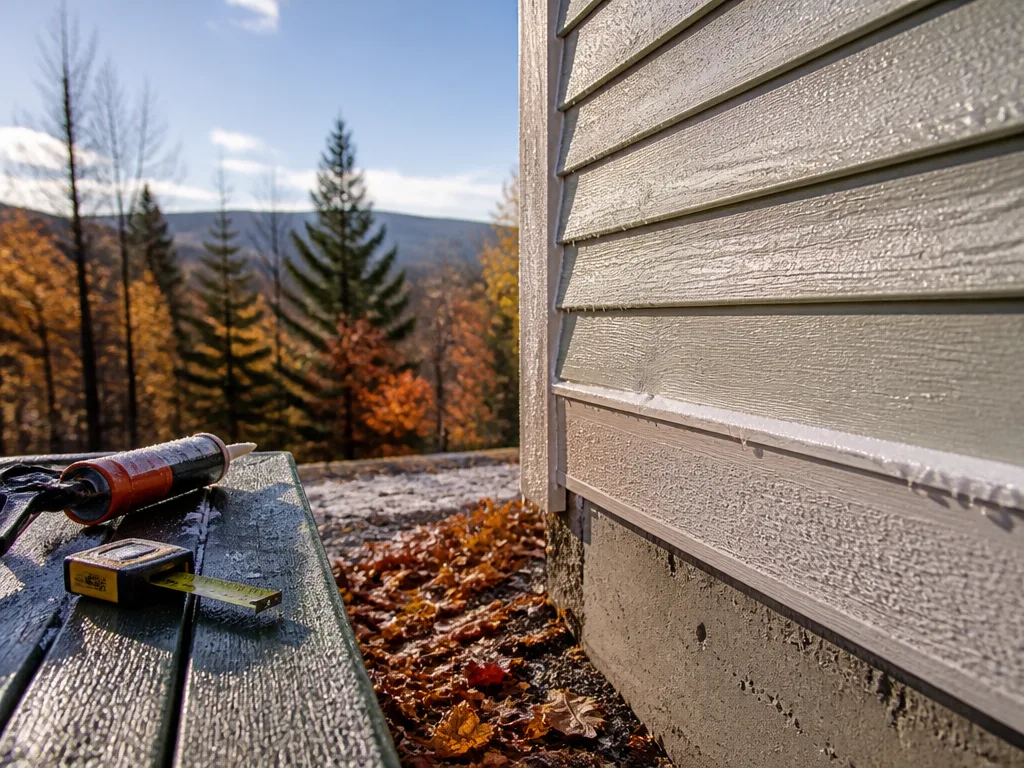
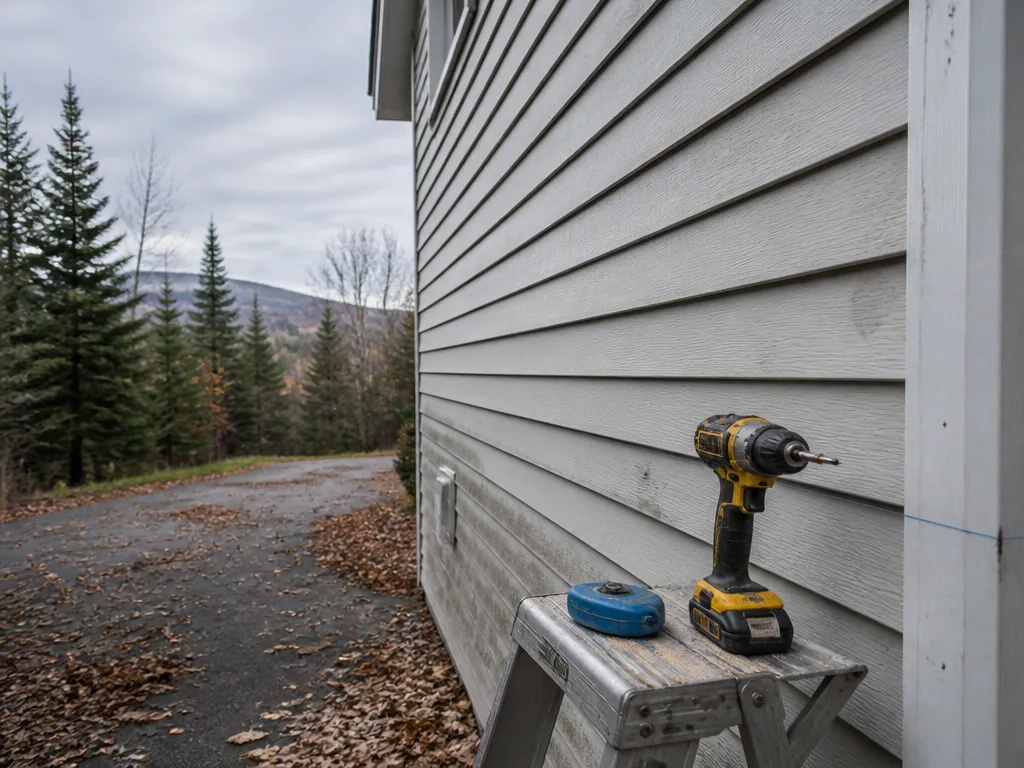
For small maintenance tasks like cleaning or repainting exposed trim, a careful homeowner can handle the job. In New Hampshire, gentle cleaning with a soft-bristle brush and mild detergent can restore curb appeal without risking damage. If you’re confident with basic tools and know how to protect surrounding areas, a simple refresh may be a good weekend project.
DIY is reasonable when the siding shows no moisture intrusion, no hidden rot behind panels, and the panels are still properly seated. If you’re replacing a single board or re-securing a loose edge and you can match the existing profile, a careful repair can buy time before a more comprehensive project.
When to call a siding specialist
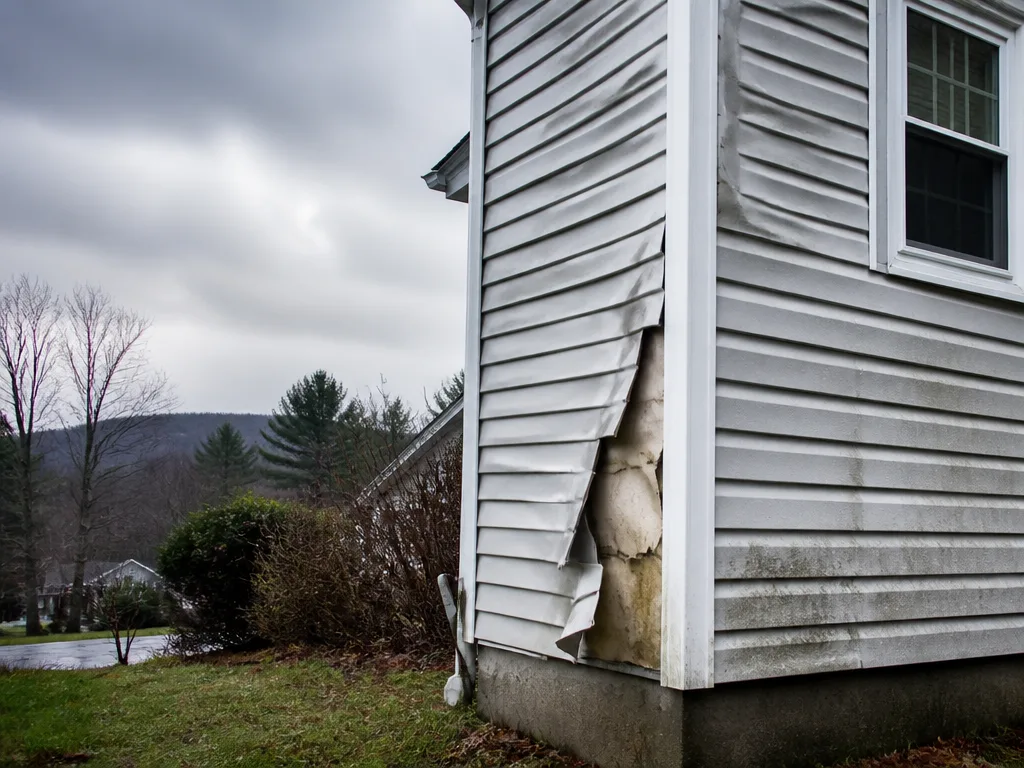
Call a pro if you see signs of moisture behind the siding, soft spots, musty smells inside, or mold near exterior corners. In New Hampshire, winter moisture can hide rot behind intact-looking siding. If you notice extensive blistering, loose sections, or widespread fading after a storm, a siding specialist should assess the full system to determine whether repair or replacement is needed.
Any time you’re unsure about the cause of a problem or if you’re planning more than cosmetic work, contact New Hampshire Trim Installation. Our crews cover the state and bring a clear, no-pressure plan to every home. We inspect for rot, check fasteners, and verify that the weather-resistant barrier behind the siding is intact.
Cost and timing considerations
A small repair can be completed within a day or two, depending on the weather and the siding type. A full replacement takes longer but can dramatically improve energy efficiency and curb appeal. In New Hampshire, planning around seasonal weather is key; you don’t want major work underway during a heavy snowfall window. A siding specialist will provide a candid estimate based on your home’s size, the siding material, and access for maintenance.
Practical tips
- Request a written assessment to compare repair versus replacement options.
- Ask about material options that perform well in New Hampshire climate, such as insulated vinyl or fiber cement.
- Ensure any work preserves your home’s drainage and ventilation details.